
The Digital Transformation of Finance
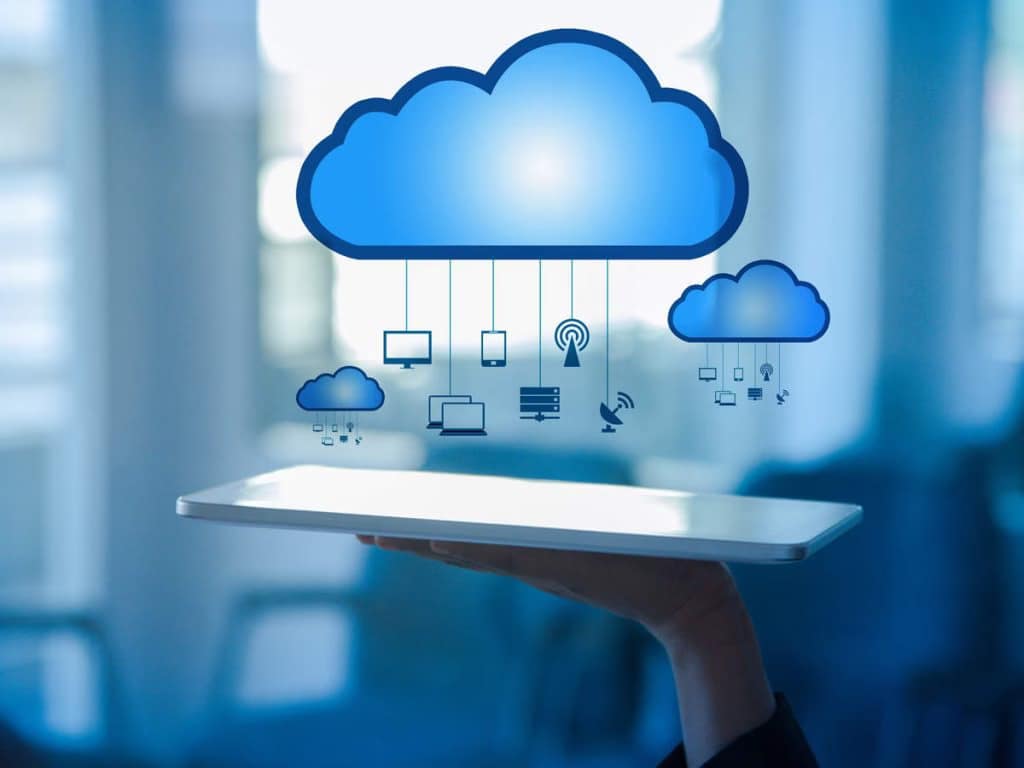
A fourth Industrial Revolution is underway a global digital revolution driven by the wide scale deployment of technologies like high-speed mobile internet and artificial intelligence. Cloud computing is at the vanguard of this transformation, and within the financial sector, it has manifested as a critical evolution in how businesses manage their most vital data. Cloud accounting is a system where financial data and its related software are stored and accessed over the internet, rather than being confined to a local computer hard drive. This shift enables access to financial information at any time, from any place, and on any device with an internet connection. This guide provides a comprehensive overview of cloud accounting, exploring its operational model, strategic business benefits, inherent risks, essential features, and the future trends shaping its development.
——————————————————————————–
1. What is Cloud Accounting? A Paradigm Shift in Financial Management
Understanding the fundamental model of cloud accounting is the first step for any business considering this transition, as it represents a significant departure from the traditional paradigm of software ownership. At its core, cloud accounting operates on a Software as a Service (SaaS) delivery model, which is defined by a distinct set of characteristics that prioritize access and flexibility over ownership.
The SaaS model that underpins cloud accounting can be broken down as follows:
- Subscription-based Licensing: Instead of a large, one-time purchase, software is licensed on a recurring basis, typically monthly or annually.
- Cloud-Hosted: The service provider manages all the necessary IT infrastructure, including the servers, software, and online data storage. The application is pre-installed and configured in the cloud.
- Browser-Based Access: Users access the software and their data through a standard web browser on any compatible device that has an internet connection.
This stands in stark contrast to traditional on-premise software, which is purchased as a product that requires installation on an in-house server, individual user licenses, and ongoing maintenance by the company’s own IT staff. Cloud accounting, therefore, is not a product you own, but a service you subscribe to. This shift from product ownership to service access is more than a technicality; it’s a strategic pivot that unlocks a spectrum of financial and operational advantages.
2. The Business Case: Evaluating the Strategic Advantages
The decision to adopt cloud accounting is a strategic one, with benefits that extend far beyond simple convenience. The strategic advantages of cloud accounting create a virtuous cycle where direct Financial Advantages fuel greater Operational Efficiencies, which in turn unlock profound Strategic Empowerment for growth and innovation.
-
Financial Advantages
- Lower Up-front Costs: The subscription-based model eliminates the need for large initial license fees. Furthermore, because the provider manages the IT infrastructure, it significantly reduces capital expenditures on hardware and ongoing maintenance.
- Cost Optimization: This model allows companies to shift costs from fixed capital expenditures (like purchasing servers and software licenses) to more predictable and manageable variable operating costs (a monthly or annual fee).
-
Operational Efficiencies
- Rapid Deployment: Cloud applications are already installed and configured by the provider, which minimizes the often lengthy delays associated with traditional software deployment.
- Seamless Upgrades: The provider is responsible for managing all hardware, software, and security updates, ensuring the system is always current without any effort from the customer.
- Time Savings: Automation is a core benefit. Features like automatic posting of electronic bank statements and streamlined invoicing processes reduce the time employees spend on tedious, repetitive tasks.
- Dematerialization: The move to a cloud platform naturally leads to the dematerialization of accounting documents, reducing the reliance on physical paperwork and storage.
-
Strategic Empowerment
- Accessibility and Flexibility: With 24/7 access from any device with an internet connection, cloud accounting empowers remote work and gives entrepreneurs the flexibility to run their business from anywhere in the world.
- Scalability: Providers typically offer flexible subscription plans that allow a business to easily add users or adjust features as it grows, without the need for expensive and disruptive hardware changes.
- Enhanced Decision Making: Continuous, real-time access to up-to-date financial information such as bank balances, cash flow, and sales figures enables business leaders to make quicker, more informed decisions, directly increasing overall productivity.
While these benefits are compelling, realizing them to their fullest potential depends on selecting a solution equipped with the right set of features to meet a company’s unique operational needs.
3. Choosing Your Solution: Essential Features of Top-Tier Software
Not all cloud accounting platforms are created equal. Choosing the right one requires a careful evaluation of its core features to ensure it aligns with a business’s specific needs and can support its long-term strategic goals. A robust solution should offer a combination of powerful functionality, stringent security, and user-centric design.
| Feature | Business Impact |
| Real-Time Data Access & Reporting | Enables continuous visibility into the company’s financial health, allowing for proactive responses and on-demand generation of critical reports like cash flow statements. |
| Automation of Financial Processes | Reduces manual data entry for tasks like invoicing, expense tracking, and payroll, which minimizes errors and frees up staff for more strategic financial analysis. |
| Advanced Security Measures | Protects sensitive financial records against cyber threats and data breaches using end-to-end data encryption and strong security protocols. |
| Regulatory Compliance | Ensures financial reporting adheres to relevant standards and that tax obligations (e.g., sales tax, payroll taxes) are handled correctly and on time, minimizing legal risk. |
| Integration Capabilities (API Access) | Allows the software to connect seamlessly with other business systems (CRM, ERP, e-commerce), creating a comprehensive view of company operations and reducing data silos. |
| Mobility and Accessibility | Provides anywhere, anytime access, empowering business owners and finance teams to manage finances and make data-driven decisions while in the office, at home, or on the road. |
| Disaster Recovery & Data Backup | Protects against data loss from hardware failure, natural disasters, or cyberattacks through automated, continuous backups that ensure business continuity with minimal disruption. |
Yet, even the most feature-rich platform introduces new dependencies and risks that must be understood and managed with the same strategic rigor.
4. Navigating the Risks: A Clear-Eyed View of the Challenges
A proactive understanding of the potential downsides of cloud adoption is crucial for strategic risk management. Mitigating issues related to control, security, and vendor dependency is essential for a successful and secure transition to a cloud-based financial system.
- Lack of Control: With SaaS, ultimate control of the software lies with the provider. This means a business may be required to accept mandatory upgrades or system changes without the option to defer them, even if they are not ideal for current workflows.
- Connectivity Requirement: The entire model is predicated on a stable internet connection. A service outage, whether from the internet provider or the cloud vendor, can mean a complete loss of access to both the software and the financial data it contains.
- Security and Data Concerns: Managing access and protecting sensitive financial information is a primary consideration. The Cloud Security Alliance (CSA) has identified its top-11 cloud security threats, including misconfigurations and unauthorized access. According to a prediction from Gartner, through 2025, 99% of cloud security failures will be the customer’s fault, primarily due to internal misconfigurations and poor access management, underscoring the critical need for robust internal security protocols, not just reliance on the vendor’s infrastructure.
- Vendor Lock-In: Vendor lock-in is the critical business risk of becoming so dependent on a single cloud provider’s proprietary ecosystem that switching to a competitor becomes technically difficult and financially prohibitive. This dependency makes a business vulnerable to unexpected price increases or a decline in service quality, as the provider knows switching is a major obstacle.
To mitigate these risks, businesses should thoroughly research potential vendors, scrutinize service level agreements (SLAs), and ensure data portability by avoiding proprietary formats where possible. Some organizations also consider a multi-cloud approach, using services from multiple providers to reduce dependence on any single vendor. The industry uses specific security and regulatory frameworks to formally address these risks and establish clear lines of responsibility.
5. A Note for the CFO: Understanding Financial Reporting Impacts
Transitioning to cloud accounting introduces specific financial reporting implications that finance leaders must understand. Under established accounting standards, including both IFRS and US GAAP, the costs of implementing a cloud solution are not always a simple expense. The treatment of these costs hinges on a critical distinction.
The core accounting principle is that most cloud computing arrangements are considered a service contract, not the purchase of a software intangible asset. This distinction drives how implementation costs are recorded on the financial statements. These costs typically fall into two categories:
- Configuration: This involves changing the software’s default settings to function in a particular way (e.g., setting flags or defining parameters). Because this service is considered “distinct” meaning it could theoretically be performed by a third party—these costs are generally expensed as they are incurred.
- Customization: This involves modifying the vendor’s existing software code or writing new code to create additional functionality. Because this service is typically not “distinct” and can only be performed by the cloud vendor, these costs are often capitalized and then expensed over the term of the service contract.
Companies must apply guidance from standards like IFRS (IAS 38) and US GAAP (ASC 350-40) to determine the correct treatment for these significant up-front costs. Just as accounting rules have adapted to this new technology, the technology itself is rapidly evolving with the integration of artificial intelligence.
6. The Future is Now: AI and the Next Generation of Cloud Accounting
The cloud accounting market is expanding at a remarkable pace, reaching $5.21 billion in 2023 and projected to grow to $12.34 billion by 2030. The key driver of this next wave of innovation is Artificial Intelligence (AI), which is fundamentally transforming financial processes from reactive record keeping into proactive, strategic management. The integration of AI into cloud platforms is already delivering powerful new capabilities.
- Enhanced Data Accuracy: AI and machine learning algorithms can process vast amounts of data at incredible speeds, significantly reducing the human error inherent in manual data entry and processing.
- Improved Efficiency and Automation: AI streamlines repetitive and time consuming tasks like invoice processing, expense tracking, and bank reconciliations. This automation frees up accounting professionals to focus on higher-value strategic work, such as financial analysis and advisory services.
- Advanced Fraud Detection: AI systems are adept at analyzing financial data to identify patterns, irregularities, and anomalies that may indicate fraudulent activity, allowing businesses to detect and mitigate risks early.
- Real-time Financial Insights: By enabling the immediate processing and analysis of financial data, AI provides businesses with up-to-the-minute insights. This immediacy is invaluable for making timely decisions in fast-paced markets.
A common concern is whether AI will make accounting professionals obsolete. However, the consensus is that AI is designed to complement, not replace, human accountants. Professionals remain essential for strategic decision making, interpreting complex financial data, and providing the critical oversight that automated systems cannot. The combination of cloud platforms and AI is redefining the future of financial management, making it more intelligent, efficient, and predictive.
——————————————————————————–
Conclusion: Embracing a Smarter Financial Future
Cloud accounting represents a transformative shift in financial management, moving from a product based ownership model to a flexible, service based one. This evolution offers significant, measurable benefits in operational efficiency, cost reduction, and strategic agility. However, harnessing this power requires a clear eyed approach businesses must choose software with features that align with their goals while proactively managing the inherent risks of security, connectivity, and vendor lock-in. Looking ahead, the integration of technologies like Artificial Intelligence is solidifying cloud accounting as the new bedrock of corporate finance, where real-time data and predictive intelligence are no longer competitive advantages but fundamental requirements for survival and growth in the digital first economy.
Discover more from Pasindu Lakshan Perera
Subscribe to get the latest posts sent to your email.

Related Posts

The Hidden Barriers Constraining a Trillion Dollar Economy

How Orbital Debris Threatens the Global Economy and the Fight to Save Earth’s Orbit
